Product route
Note whether the starting point is a decorative pillow, embroidered detail, quilt, bedding program, throw or blanket.
Buyer Guide
A clear first brief does not need every specification. Start with the product, customer, references and decision that need the most clarity.
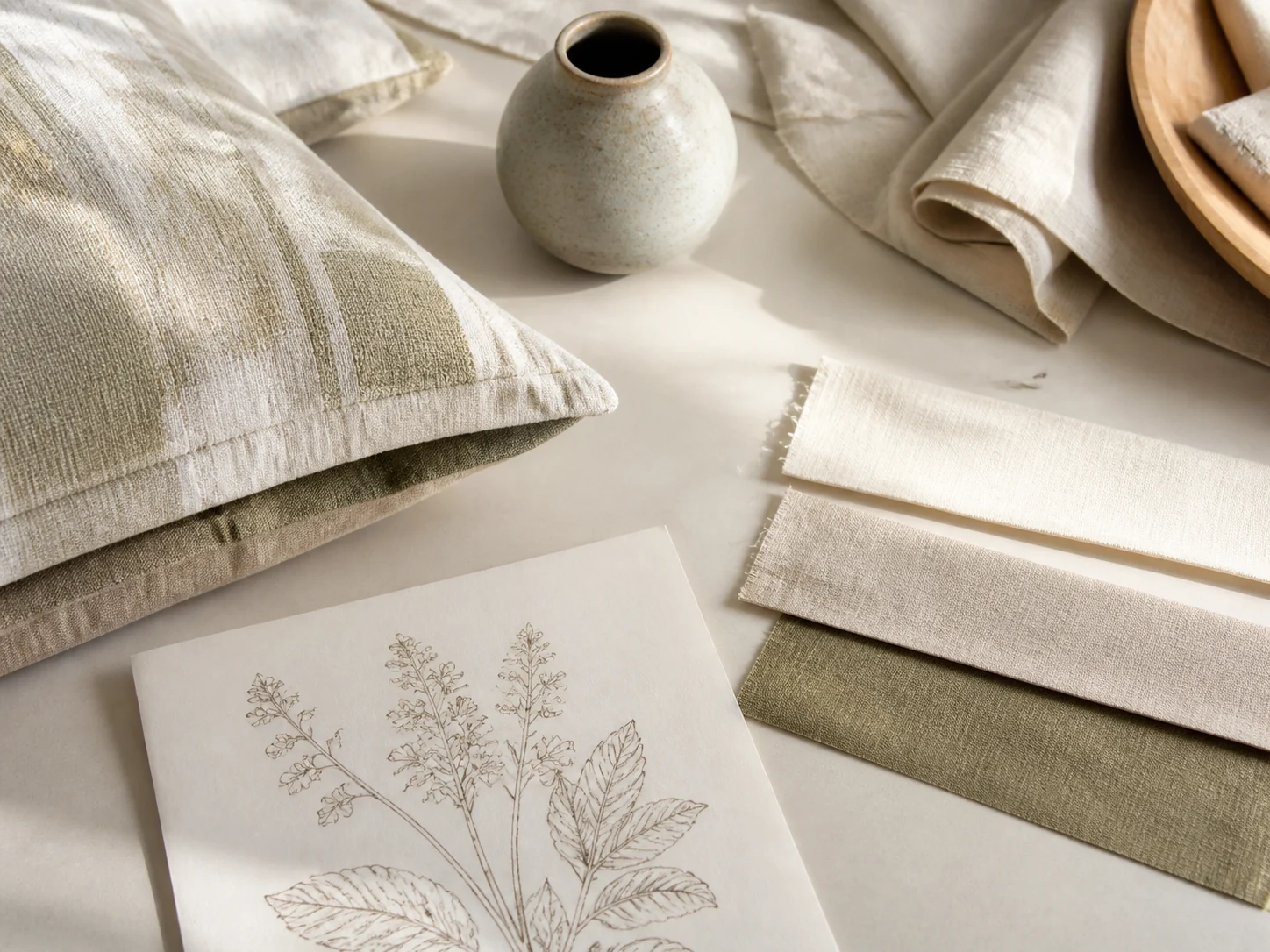
A Useful First Brief
The first conversation is more useful when the product question is specific enough to guide a review, but open enough for practical development advice.
Note whether the starting point is a decorative pillow, embroidered detail, quilt, bedding program, throw or blanket.
Describe the intended customer, selling channel and the role the product should play in the collection.
Share visual references, material preferences, target value, range shape and the timing question behind the brief.
Pre-Inquiry Checklist
A short set of relevant inputs helps the development team understand what the first sample should answer.
You can begin with one product, an existing sample, a visual reference or a customer question.
Questions Worth Answering
A useful development conversation connects the visual direction with the product details that need to be reviewed.
What should the product feel and look like, and which material or surface decisions need comparison?
Which size, fill, quilting, edge, backing or closure details should the sample make visible?
What needs to be agreed before the product direction can move into a clear production handoff?
Sample Review Checklist
A useful sample review keeps the brand direction visible while closing the details that affect production, packaging and release.
Confirm the category, size, intended use and role the product should play in the collection.
Review surface, hand-feel, fill, weight or warmth, and note any performance questions that need evidence.
Check quilting or stitch scale, seams, edge, backing, closure and other details that shape the finished product.
Capture approved artwork, labels, packaging, estimated quantities and timing questions before the production handoff.
Focused Manufacturing Routes
If the starting point is already clear, choose a focused route for the product, customer and development question behind the inquiry.
Develop fabrics, surface details, fills and finishing around your collection direction.
Explore pillow manufacturingTranslate motifs and stitch details into a production-ready decorative pillow.
Explore embroidery manufacturingAlign quilting, construction, material choices and range logic before production.
Explore bedding manufacturingBuild a repeatable bedding program around your brand, channel and launch timing.
Explore private label beddingResolve softness, warmth, surface character and finish for seasonal or core programs.
Explore throw manufacturingFirst Inquiry Template
Copy the outline below into your internal brief or project inquiry. Leave unknown fields open instead of filling them with assumptions.
Questions for the next review
Which material or construction variable should the sample answer first? What artwork or reference files are still needed? Which details must be approved before production handoff?
Send the brief to WINTEXSourcing Routes
Clarify who controls the product decisions, how samples are approved and what labels or packaging belong in the brief.
Tell WINTEX the product, customer or timing question that should guide the first conversation.
Common Questions
The first step can stay practical: clarify the product question, then decide what the next review needs to show.
No. A product category, visual reference, existing sample, customer question or timing goal can give the first conversation a useful starting point.
Yes. The starting point can be one decorative pillow, bedding direction, throw or other home textile product before a wider collection route is defined.
Share the product route, intended customer or channel, relevant references, target value, timing question and the decision that needs the most clarity.
If known, include an estimated quantity, minimum order quantity (MOQ) expectation, launch window or lead-time question. These inputs help frame the sampling and production discussion; confirmed quantities and timing depend on the product, materials and approved specifications.
Note finished dimensions, intended bed or use, drop or fit expectations, the relationship between quilt, coverlet, comforter and shams, and which measurements the first sample should confirm. Final sizing depends on the approved product direction.
Confirm the product identity, material and hand-feel, construction and finish, artwork or packaging direction, and the open questions that must be resolved before production release.